What are the types of pipes?
Within the world of pipes, there are many types, with their specific characteristics and properties, for different uses within a home: heating, plumbing, or sanitation.
The basic distinction of pipes, in general, is made in two groups: plastic pipes and metal pipes, although there are also other types such as concrete. Within the plastic pipes, the most commonly used are PVC (polyvinyl chloride), CPVC (chlorinated vinyl polychloride), PERT, PEX (cross-linked polyethylene) and multilayer.
Among the metal pipes, we find different types: normal steels, STAINLESS STEEL POLISHED PIPE, galvanized steel, copper, and those of lead that are already in disuse.
TYPES OF PIPES ACCORDING TO MATERIAL
Each material offers features, specific advantages, and some disadvantages.
Knowing each of them is essential when choosing the type of Stainless Steel Mechanical Tube that best suits the installation you need. As we mentioned earlier, there are two main types of pipes; plastic pipes and metal pipes. Next, we will see the different types so that you also become an expert.
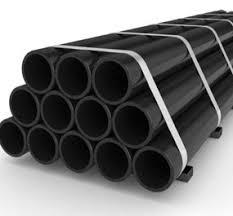
PLASTIC PIPES
The use of plastic within the pipe sector is increasing to the detriment of Seamless Boiler Steel Pipes. From the beginning of its implementation, these generated enormous expectations within the industry due to their properties, low costs, time savings, and handling advantages.
And it has been a real revolution for the vast majority of professionals. Also, it should be bear in mind that plastic materials are suitable for the conduction of drinking water since they do not cause or transmit any kind of taste, smell, or color in the water inside.
PVC PIPES
The PVC pipes are mainly used for conveying high-pressure water unless moved hot water as the heat pipe may deform or even melt reach. They are available in different standard diameters for the construction and plumbing industry. Most PVC pipes are white or gray.
METAL PIPES
Inside the metal pipes, we find different materials such as galvanized, stainless steel, cast iron, and copper as the main metal pipes.
GALVANIZED STEEL PIPES
Galvanized steel pipes instead are used in the distribution networks of buildings, provided that the temperature does not exceed 55 º C.
Advantages: Ease of work and good mechanical characteristics, are weldable pipes and are of acceptable cost.
Disadvantages: Ease of corrosion, it is easy to suffer fouling and is sensitive to being attacked by acidic water and wet plaster.
COMPRESSION STAINLESS STEEL PIPES.
The pressing of the astm a53 tube and fittings in compression stainless steel has been giving very good results for decades and is currently considered a highly flexible and innovative connection technique.
Through this bonding technique, time is saved, and it is cold-formed - there are no dangers of flame fire - so the technician can offer and perform a safe installation by current regulations.
Advantages: P termite in a manner easy and quick, make facilities without threads, and without welds. All these reasons lead to considerable savings in time and labor.
Disadvantages: stainless steel compression pipes are not considered suitable for recessed installations. In modern housing, where aesthetics play an important role, the use of such joining techniques presents some problems, as it is not very aesthetic.
Endothermic: The structures in steel or with parts in steel easily propagate heat due to the physical properties of this material, and in case of fire, high temperatures will spread easily through the structure, causing it to fail faster. There are many heat exchanger tubes manufacturers in India.


Comments
Post a Comment